A Legacy Unfolded: The Story of Sonny
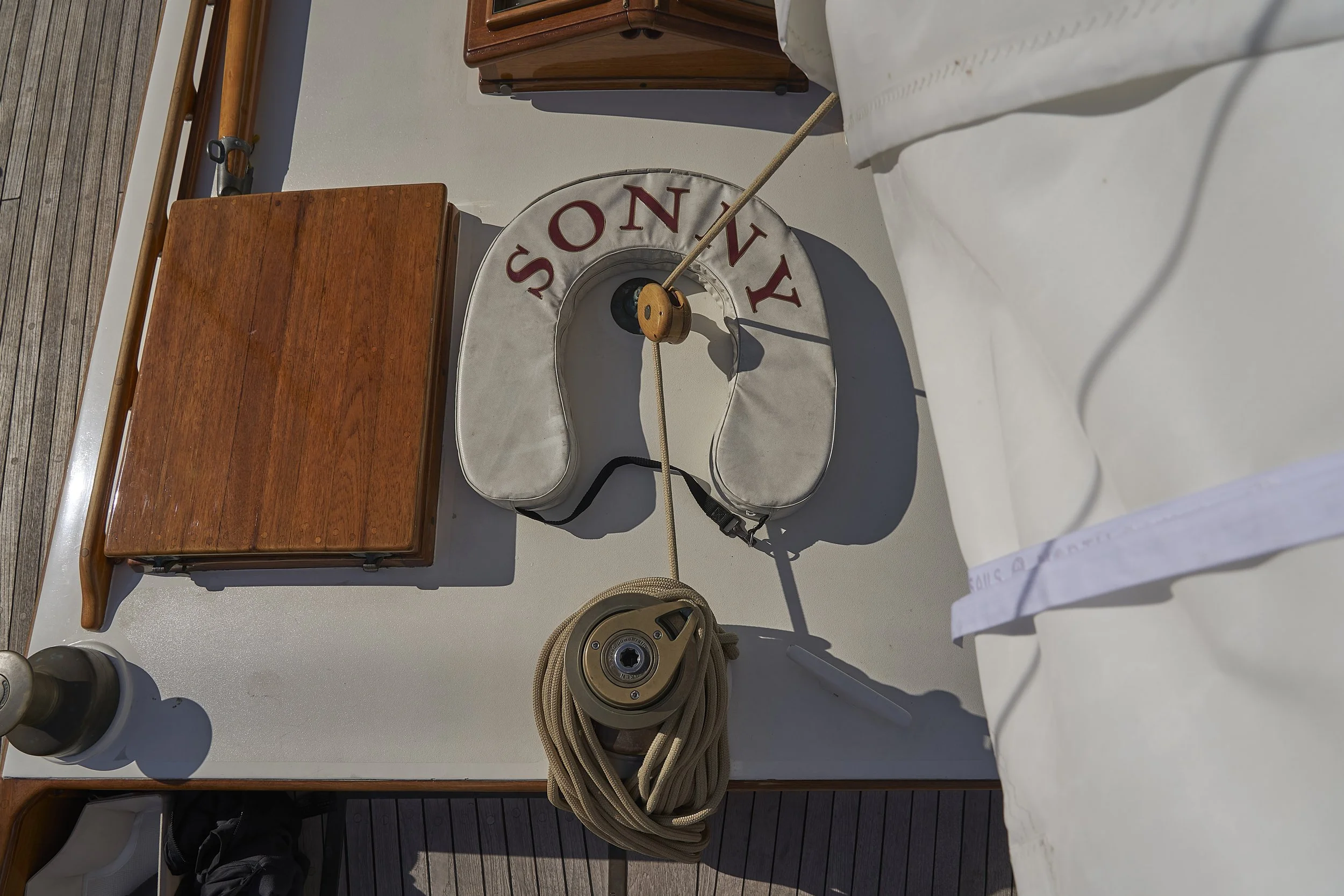
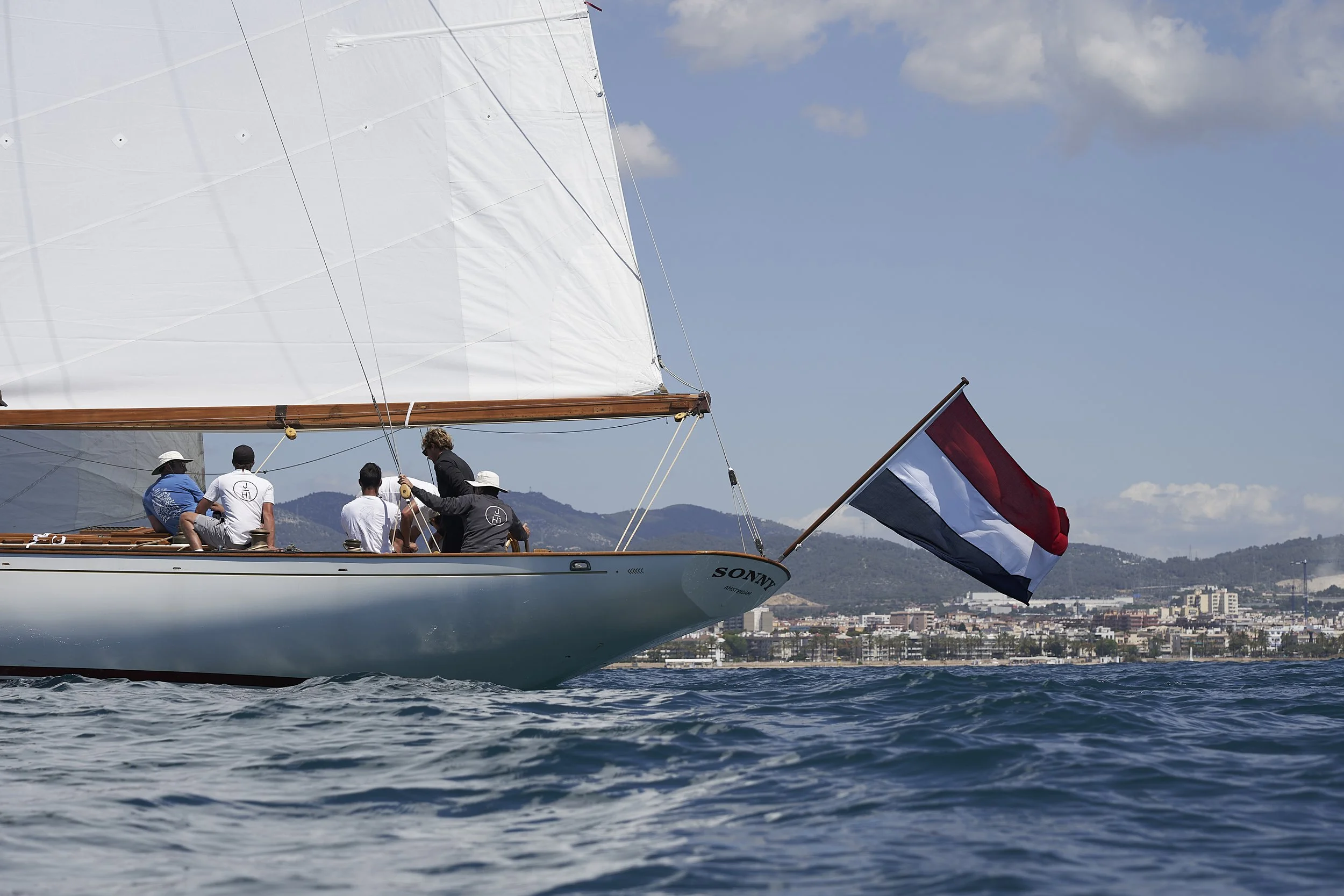
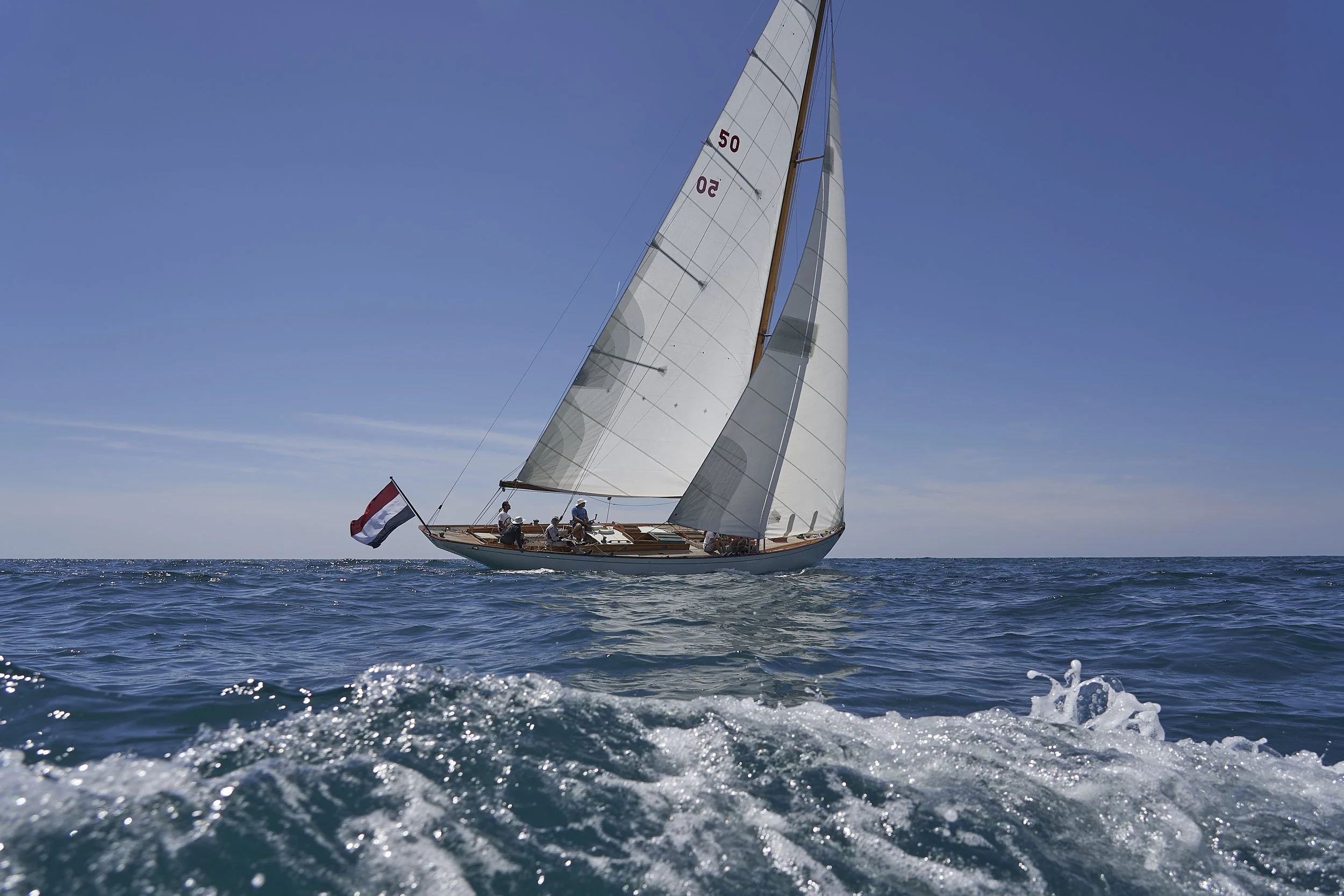
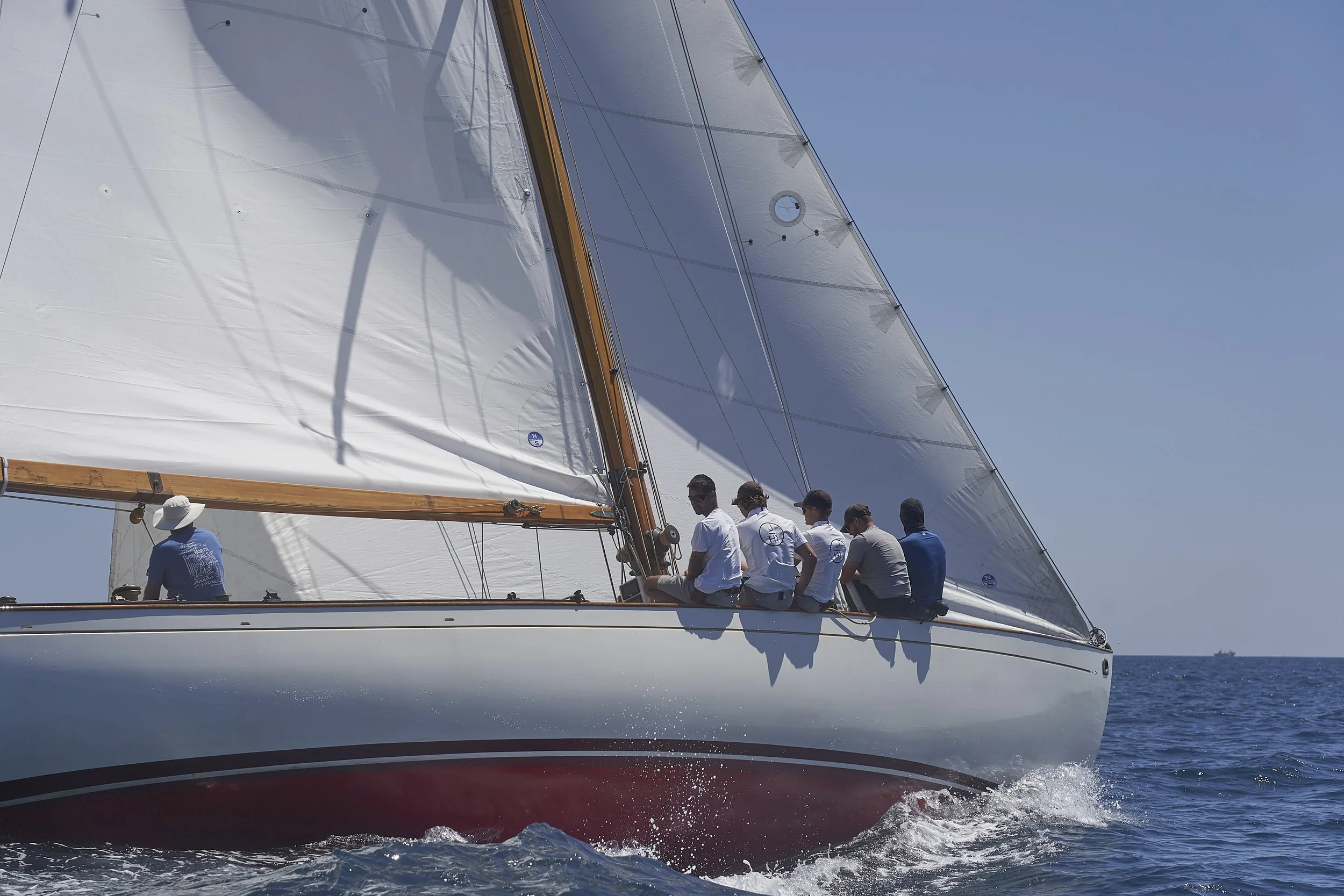
From her graceful lines to her celebrated longevity, Sonny stands as a living testament to the golden era of yacht design—a radiant emblem of craftsmanship, performance, and history.
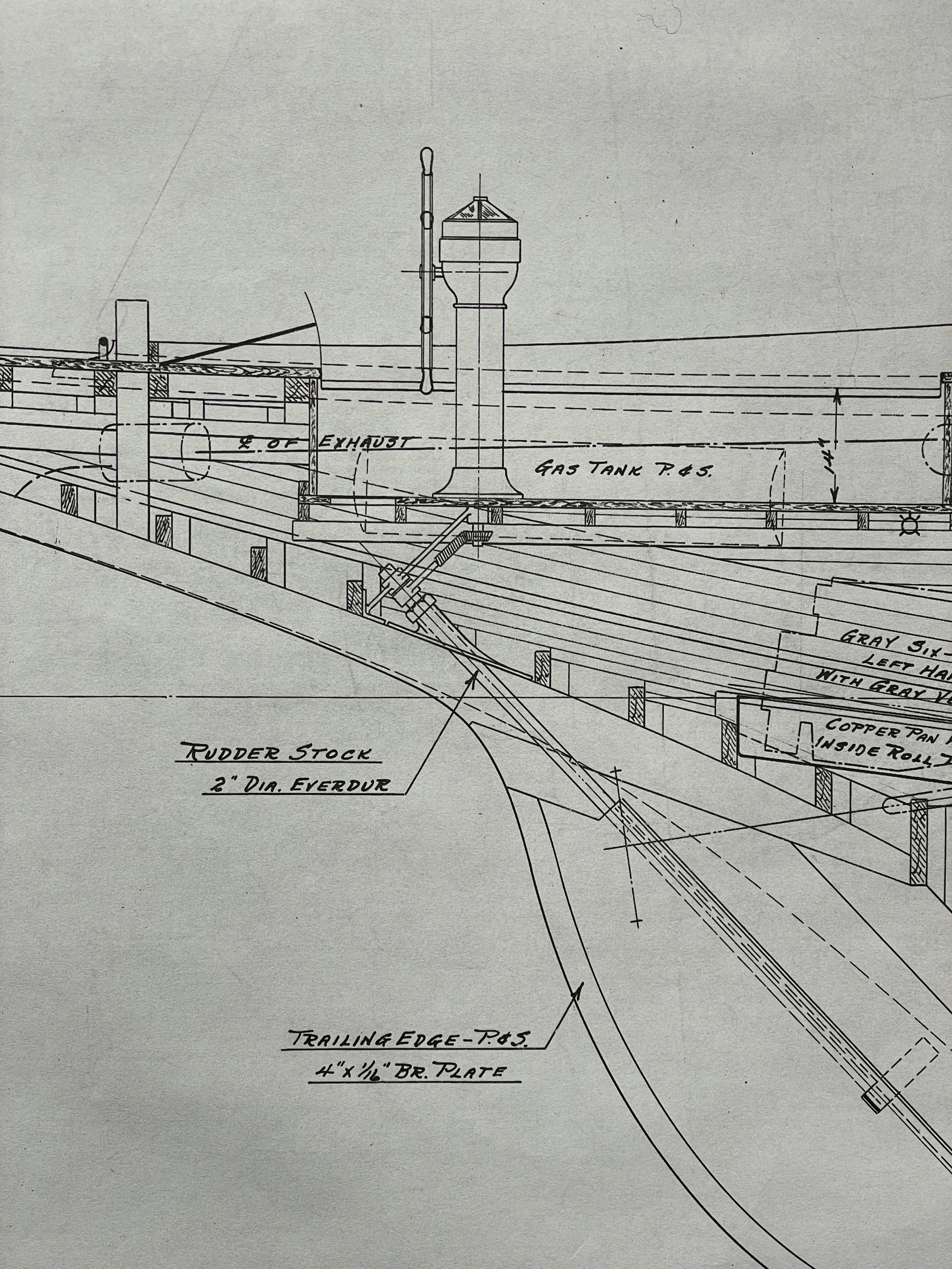
Origins: A Sparkman & Stephens Classic
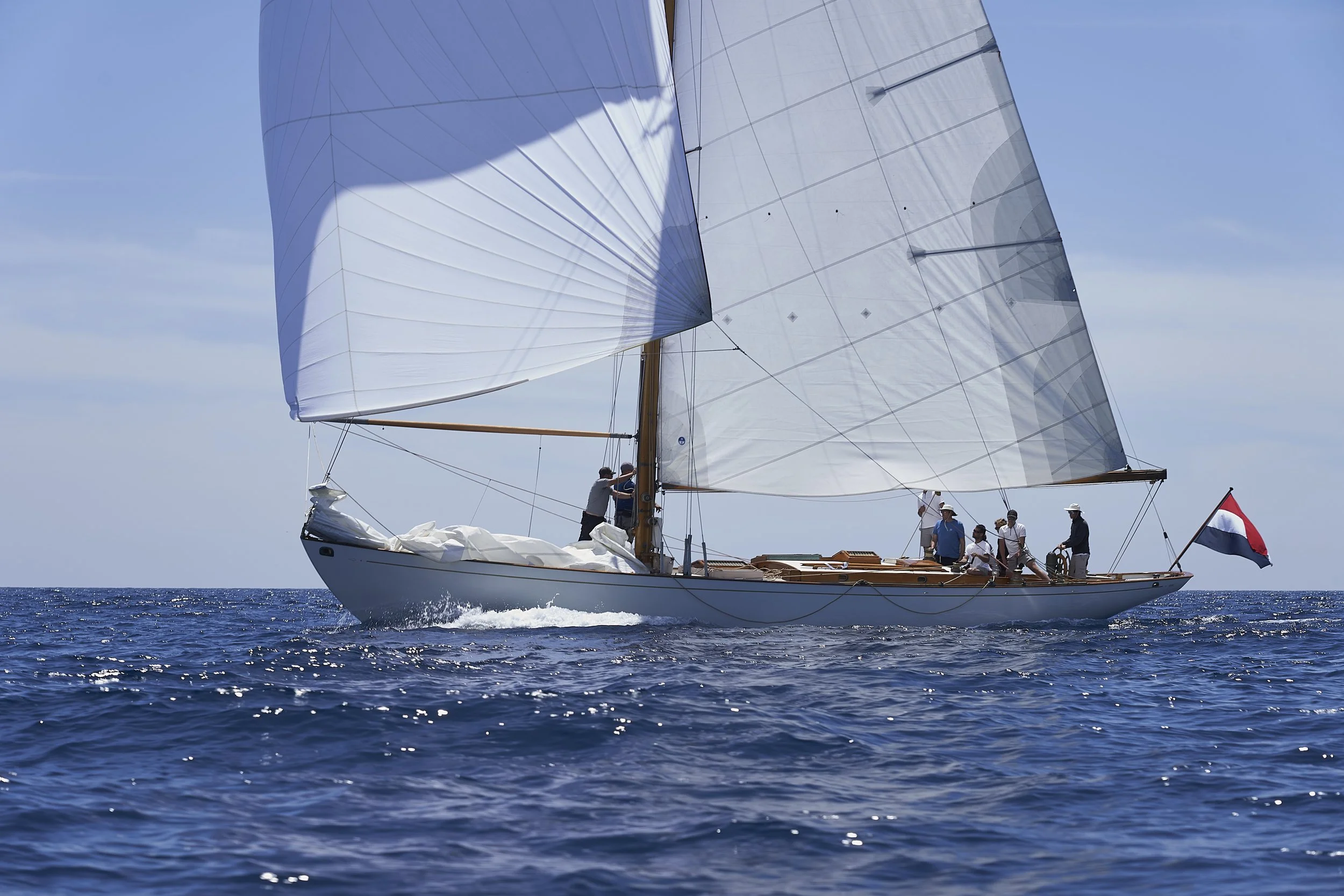
Launched in 1935 on City Island, New York, Sonny was born into a remarkable moment in American yacht design. She was the ninety-fourth design from the then-young firm of Sparkman & Stephens, conceived in the wake of Olin and Rod Stephens’s breakthrough yachts Dorade and Stormy Weather. In those years, the Stephens brothers were refining a new type of ocean-going yacht—moderate in displacement, balanced in line, and as capable of crossing oceans as of winning races. Sonny was the embodiment of this philosophy: elegant, strong, and built to endure.
Her promise was evident from the very beginning. Within a year of her launch, Sonny lined up for the 1936 Miami–Nassau Race, where she secured second place in her class, a performance that confirmed her reliability offshore. Two years later she was back, again proving her pedigree against the best of her generation, including her near-sister Stormy Weather. Other races followed—the St. Petersburg–Havana, the Newport–Bermuda—each one adding to a growing reputation for seaworthiness and grace.
In 1937, ownership passed to Colonel Albert E. Peirce, a Virginia yachtsman with a passion for Sparkman & Stephens craft. Under his stewardship, and later renamed Gladja, the yacht found herself pressed into service during the Second World War. As part of the US Coast Guard Auxiliary’s “Corsair Fleet,” she served on patrol, and it was during this period that she endured her most dramatic chapter: a collision with a submarine off Nassau that left her sunk. Raised, repaired, and returned to service, she survived both the war and the uncertain years that followed, when many classic yachts were lost to neglect.
That Sonny endured at all is a testament to the care of successive owners who recognised her worth. By the turn of the twenty-first century, she was ready for a new chapter. A series of major restorations began in Italy in 2001, where her stem, keel, and deck were renewed, followed by further structural work in the United States. Between 2007 and 2012 her hull was reframed with laminated oak, her steering gear rebuilt, and a bronze mast truss installed to carry the loads of her rig. Later came a re-caulking of her decks, a rebuilt galley, new electrical systems, and, most recently, the installation of a modern Yanmar diesel engine.
Few yachts of her era can claim such meticulous care. Sonny’s maintenance records are exhaustive, her restorations painstakingly faithful. Today, nearly ninety years after she first touched the water, she remains what she has always been: a living testament to the genius of Sparkman & Stephens in their golden age. To sail aboard her is to experience not only the poise of a fine yacht, but the continuity of history—a line unbroken from the days when Uffa Fox could write of her type that it “gladdens the hearts of those who go down to the sea in such small ships.”
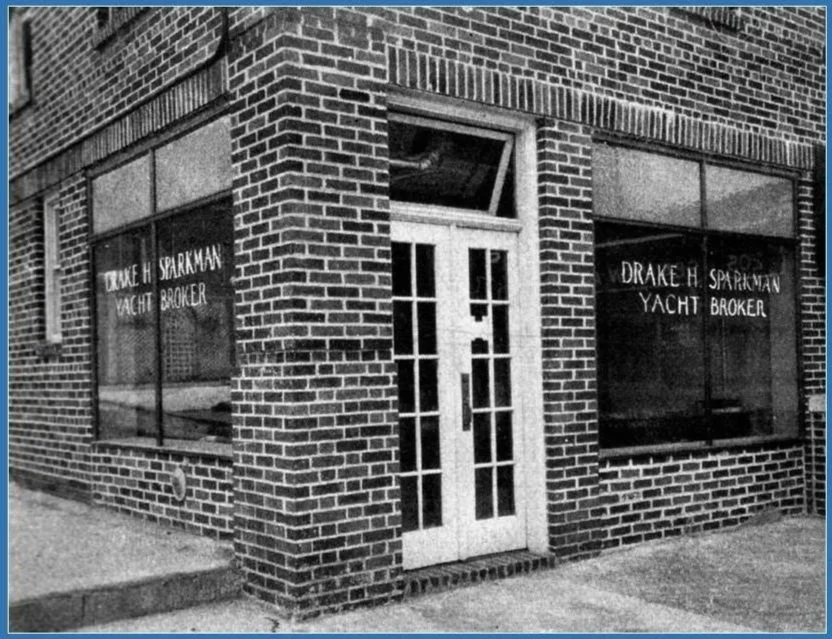
Heritage & Construction
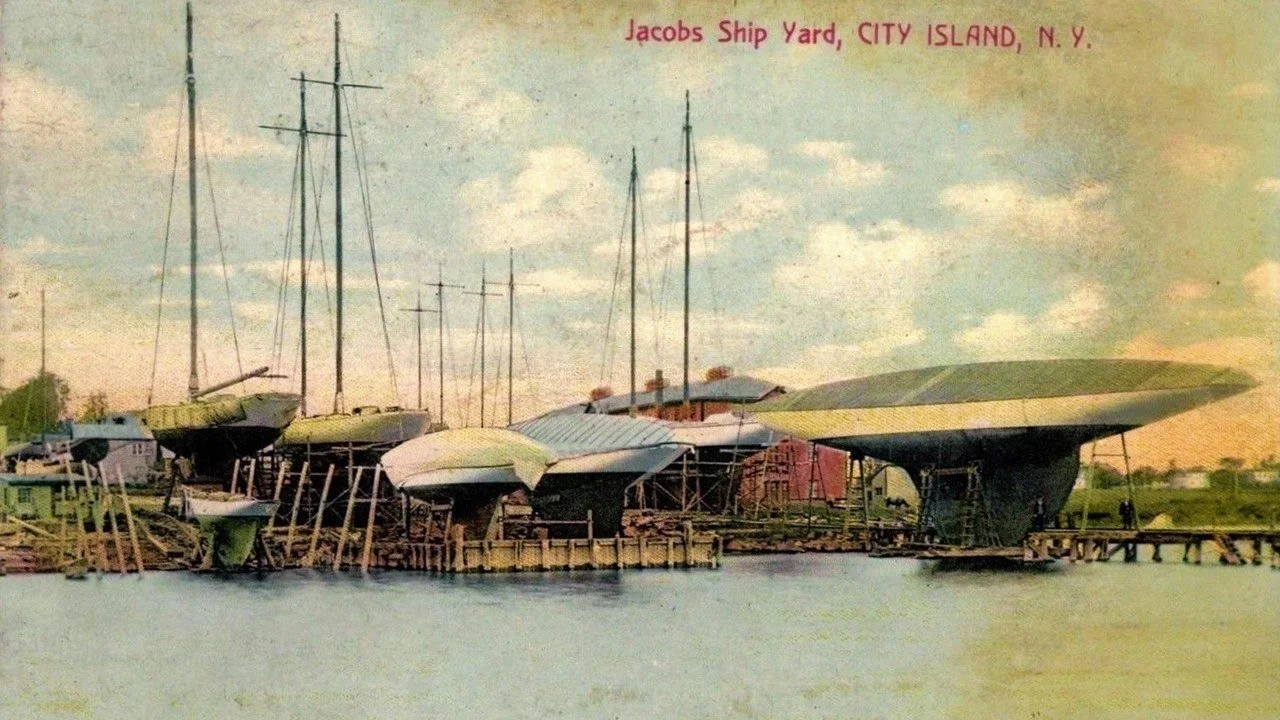
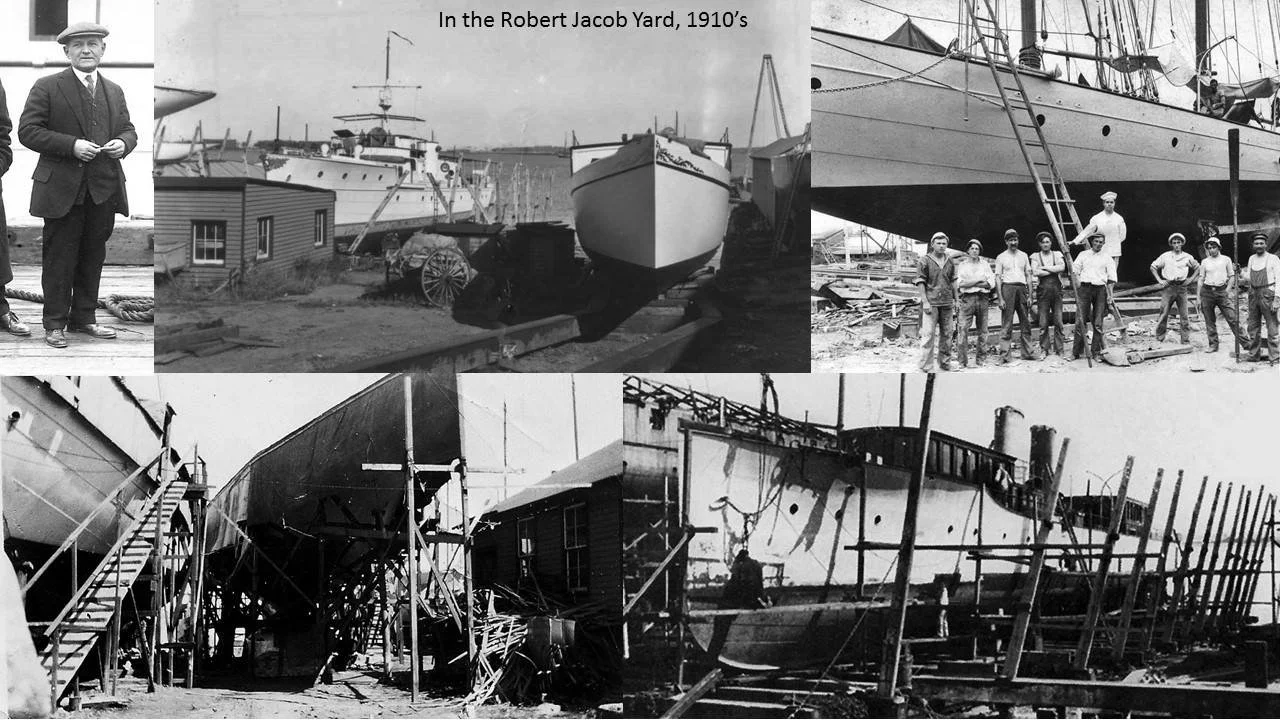
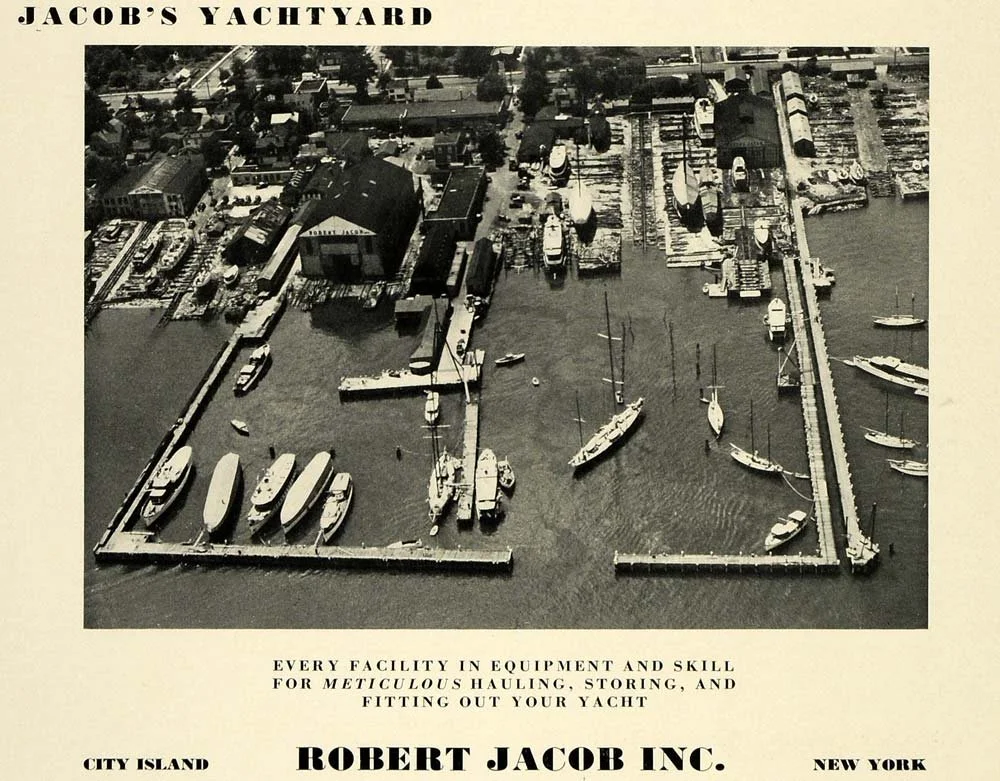
Sonny was born not only of Sparkman & Stephens’ early genius, but also of the craft of one of America’s most distinguished yacht builders. Her hull took shape in the yard of Robert Jacob, Inc., on City Island, New York, a place that by the 1930s had become a crucible for some of the finest yachts in the world. Jacob’s yard was not merely a builder of private commissions—it was a trusted home for America’s Cup challengers and defenders alike. During its heyday, the yard maintained and prepared famous contenders such as Shamrock III and Shamrock IV, and handled vessels like Reliance, a symbol of speed and innovation in the Cup’s early years. To be built in such company was to be born into distinction, and Sonny’s pedigree was assured from the keel up.
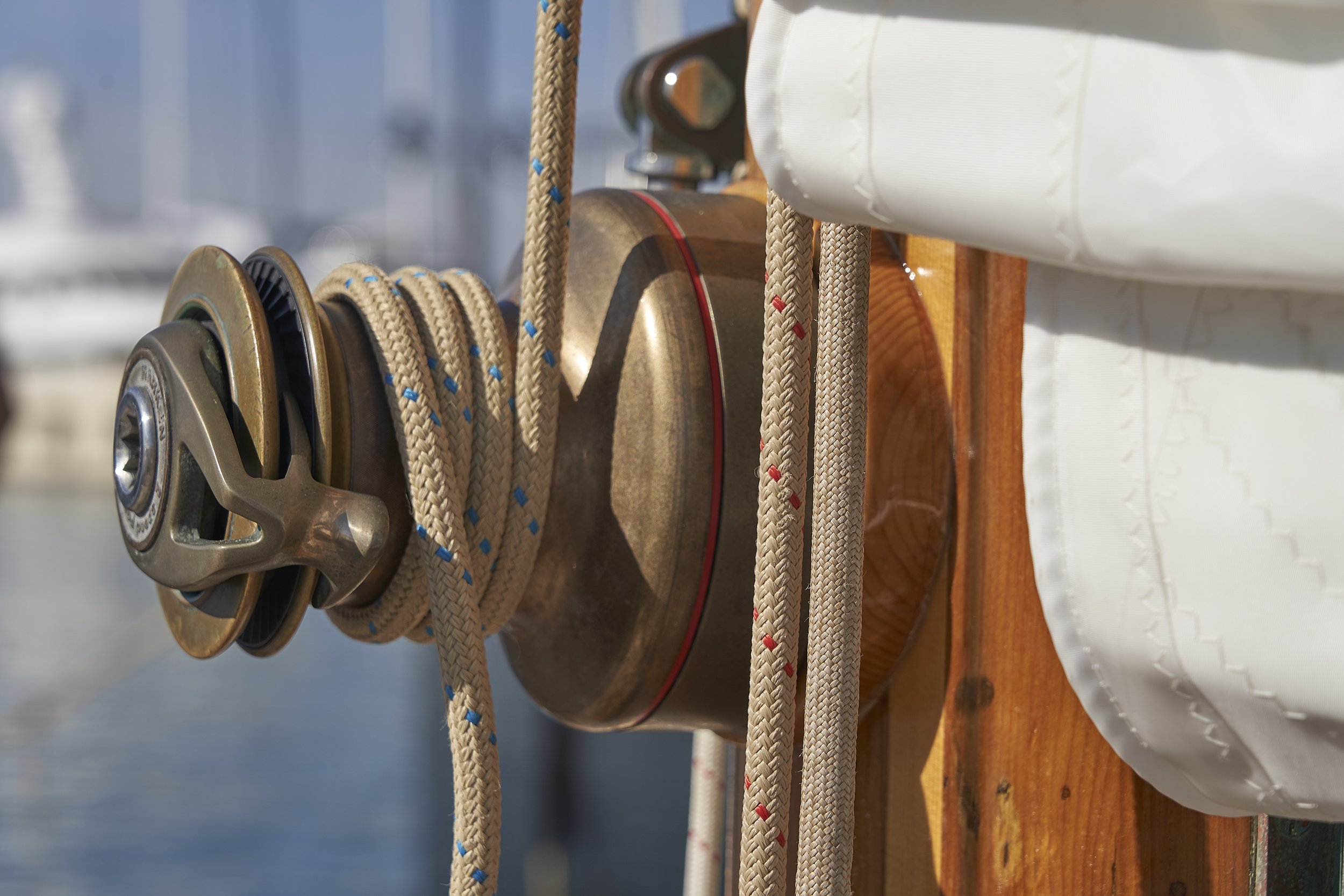
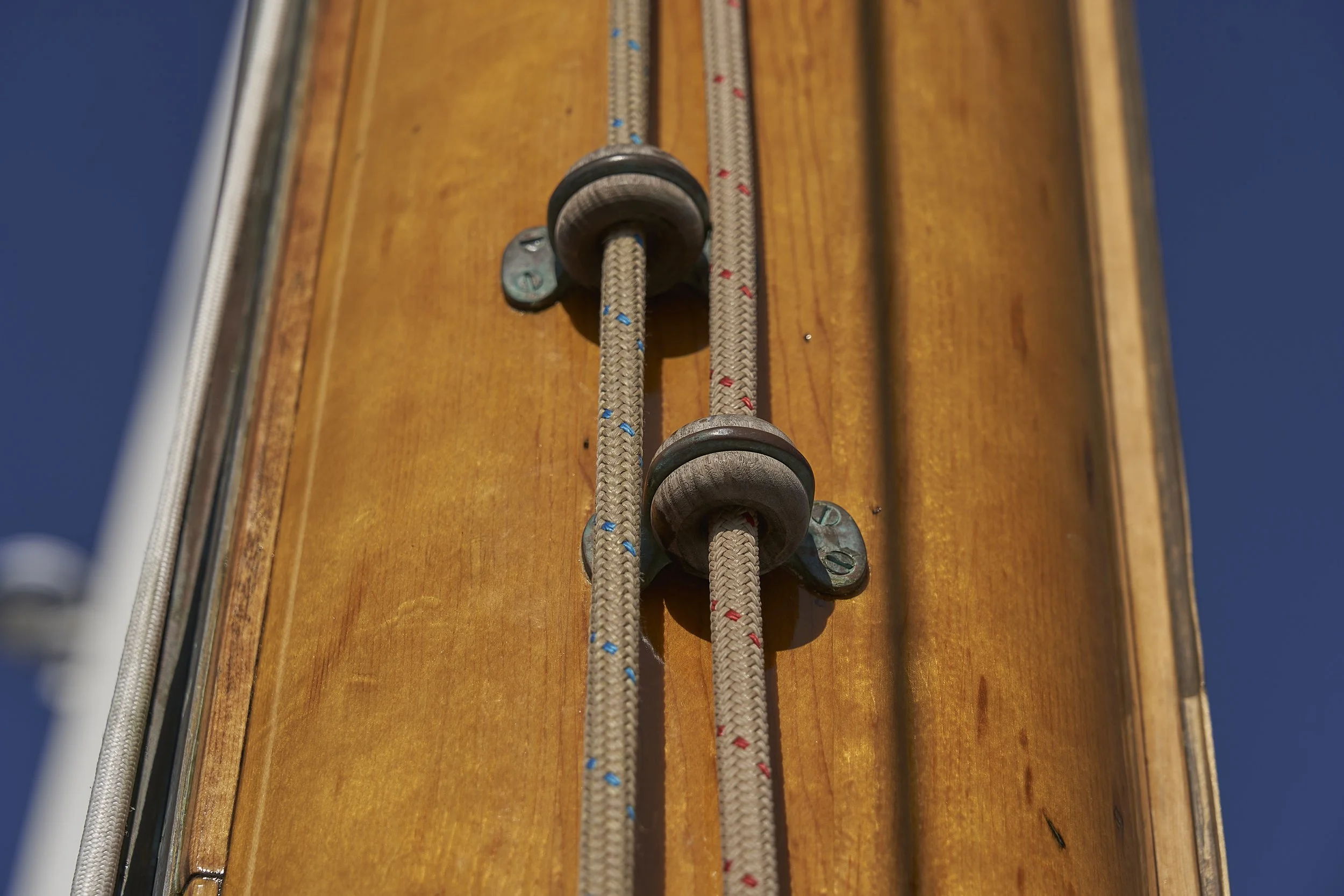
The choice of materials reflected this pedigree. She was constructed in the traditional manner of the era, with mahogany planking over white oak frames, fastened in bronze for both durability and corrosion resistance. Her deck was laid in teak, chosen for its ability to resist weathering and provide a sure footing when wet. These timbers, drawn from centuries of maritime practice, were valued not only for their strength but for their beauty: mahogany for its rich tone and fine grain, white oak for its toughness and resilience, teak for its golden warmth and natural oils. The combination produced a hull that was as seaworthy as it was elegant—a harmony of engineering and artistry that few builders could achieve with such consistency.
Her construction also reflected the ethos of City Island in that era. This small Bronx community, lined with yards and lofts, was at the time one of the great centers of American yacht building. A walk along its waterfront in the 1930s would reveal hulls in various stages of completion, from humble local sloops to great racing machines bound for transatlantic campaigns. To launch from Robert Jacob’s yard was to carry with you not only the pride of a single builder, but the tradition of an entire community devoted to the sea. In this context, Sonny emerged as both product and heir of a heritage that spanned from America’s Cup glory to private commissions of enduring beauty.
“I started my career with the tools of observation and intuition to which quantitative analysis has been gradually added.”
— Olin J. Stephens II
Timeline
1935 – Launched at City Island, New York (Design No. 94, Sparkman & Stephens)
1936 – 2nd place, Miami–Nassau Race
1937 – Sold to Colonel Albert E. Peirce, renamed GLADJA
1940s – WWII service, survives sinking off Nassau after submarine collision
2001–2002 – Major restoration in Italy
2007–2012 – Hull reframed, steering gear renewed
2014–2015 – Deck re-caulking and fastening
2018 – Galley rebuilt, electrical rewiring
2020 – New Yanmar diesel engine installed
Today – Actively sailing, a living heritage yacht